
Update Samsung Galaxy S2 to Android Marshmallow
This step-by-step guide will help you to update Galaxy S2 with the Model number GT-I9100 to Android 6.0.1 Marshmallow using CyanogenMod 13 ROM.
Samsung Galaxy S2 is now quite old to get an official firmware update from Samsung but thanks to Android developers community who are still working on Galaxy S2 developments and releasing new Custom ROM updates based on the latest version of Android OS, this time, Marshmallow update has been rolled out.
To install the update make sure you’ve already installed the latest version of TWRP recovery to flash the Marshmallow ROM.
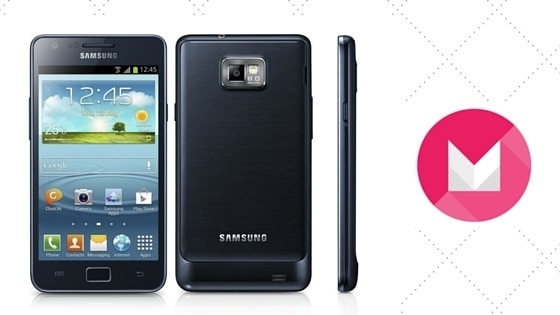
Galaxy S2 GT-i9100
Getting Started:
- This Custom ROM is only compatible with Samsung Galaxy S2 GT-I9100.
- It is highly recommended that you make Nandroid backup your phone data before you proceed further.
- Make sure USB Debugging option is enabled. You can find it Settings > Developers Options.
- Also make sure you’ve got enough battery charge. At least 70% battery charged is recommended to avoid uncertain shutdown during the flashing process.
- Download latest nightly ROM, CM 13 Android 6.0.1 ROM
- Download Google apps, GApps for Android Marshmallow
Update Galaxy S2 to Android Marshmallow 6.0.1
Step 1: First of, connect your phone to PC and copy the CM13 and Gapps zip packages to your phone.
Step 2: Reboot Galaxy S2 into Custom recovery. Power off your phone and hold the Volume Up+Home+Power buttons simultaneously for a few seconds until the recovery options appears on the screen.
Step 3: It is highly recommended that before making any changes you should take Nandroid Backup of your Current ROM.
- Tap the ‘Backup’ option and then Select the system partition files you want to Backup.
Step 4: Clear the system cache and factory reset it in order to prepare your phone for new installations.
- Tap the WIPE option, then Factory Reset and swipe to confirm.
Step 5: Finally your phone is ready for update.
- Tap the ‘Install’ option and select the Custom ROM zip package.
Step 6: When CyanogenMod 13 ROM is successfully installed, then use the same method, as in Step 5, and flash the GApps zip file.
That’s it! You’ve now successfully updated Galaxy S2 to Android Marshmallow. Who would have thought that you would be able to install the latest version of Android on such old device, that’s the beauty of Android. Taste Marshmallow features right on your Galaxy S2, don’t forget to share your experience with us in the comment section below.
[source: xda-developers]

